
Sounds that shaped us
Caribbean Music Roots
Choose a flag to discover the music, celebrations and traditions behind each place. Open a card for its story and sources.
Meet Caribbean artists ↗Sounds that shaped us
Explore by place
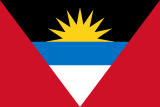 Antigua & BarbudaBenna, Calypso & Steelpan
Benna
Benna is an Antiguan folk-song tradition that carried local news, humour and social commentary by voice. Its role as a community storyteller helped prepare the ground for the islands’ calypso culture.
Two islands, many stages
Antigua Carnival celebrates calypso, soca and steelpan in competitions and street processions. On Barbuda, Caribana brings music, dance and island heritage into its own community festival.
Explore benna’s history ↗ Explore Caribana ↗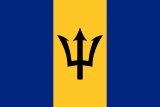 BarbadosTuk, Spouge & Crop Over
Tuk & spouge
Barbados’ tuk bands join African-rooted rhythms with instruments associated with British military bands, such as drum, flute and triangle. The music travels with costumed folk characters and the Landship tradition. In the 1960s, Jackie Opel developed spouge, a distinctively Barbadian popular sound.
Crop Over
Crop Over grew from harvest celebrations and became a major home for calypso and soca. Together with tuk and spouge, those sounds tell a story of Barbadian creativity across folk music and Carnival.
Explore Bajan music ↗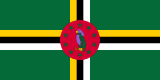 DominicaJing Ping & Bouyon
Jing Ping
Dominica’s traditional jing ping bands carry the sound of accordion, bamboo flute, boom-boom and gwaj into dances and celebrations. The music sits alongside quadrille and bèlè traditions in the island’s Creole cultural life.
Bouyon
Bouyon emerged in Dominica in the late 1980s, blending local rhythms including jing ping and lapo kabwit with influences from cadence-lypso, soca and zouk. WCK helped pioneer the fast, energetic sound that now travels widely across the Caribbean.
Explore jing ping ↗ Explore bouyon ↗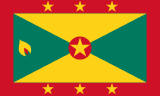 Grenada, Carriacou & Petite MartiniqueBig Drum, Jab Jab & Soca
Heritage rhythms
Carriacou’s Big Drum Dance honours African ancestors through song, drumming and movement. String bands and quadrille also remain part of community celebrations across the sister islands. These traditions carry memories through generations, beyond the Carnival season.
Carnival sound
Grenada’s Jab Jab masquerade grew out of the era of enslavement. Drummers lead Jab Jab bands through J’ouvert, while calypso, steelpan and Grenadian soca bring storytelling and high energy to Spice Mas.
Explore Carriacou’s heritage ↗ Explore Jab Jab ↗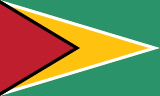 GuyanaMasquerade, Chutney & Mashramani
Masquerade
Guyanese masquerade carries an African-rooted tradition of costumed street performance, music and dance. Bands have long brought that heritage into community celebrations, particularly during the Christmas season.
Mashramani
Since Guyana became a republic in 1970, Mashramani has grown into a national celebration of music and cultural diversity. Calypso, soca, steelpan and chutney competitions share the stage with costume bands and parades.
Explore masquerade ↗ Explore Mashramani ↗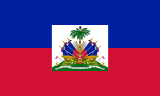 HaitiRara & Compas
Rara
Rara bands take music into Haiti’s streets during the season leading up to Easter. Singers, drums and bamboo or metal horns called vaksin create a moving sound rooted in community gatherings and Haitian spiritual traditions.
Compas
Compas is a Haitian popular music and dance style built on a syncopated groove, with guitars, keyboards and drums. Its African, European and Indigenous influences have made it a shared sound for generations at home and across the diaspora.
Explore rara ↗ Explore compas ↗ JamaicaMento, Ska, Rocksteady, Reggae, Dub & Dancehall
Mento
Jamaica’s folk songs blended African and European influences, telling local stories with wit and an easy dance rhythm. Mento helped shape the popular sounds that followed.
Ska
In the late 1950s and early 1960s, ska brought a brisk offbeat guitar and horn-driven sound to Kingston’s dance floors and sound systems.
Rocksteady
As ska slowed in the mid-1960s, rocksteady put more space around the bass, vocals and groove. It opened the way for reggae.
Reggae
Reggae developed from ska and rocksteady, carrying songs of love, faith and social change across the world. Bob Marley and the Wailers helped bring its sound to a global audience.
Dub
Producers reworked reggae recordings with deep bass, echo and stripped-back mixes. Dub’s studio experiments influenced music far beyond Jamaica.
Dancehall
Dancehall rose through Jamaica’s sound-system culture from the late 1970s. Deejays, new riddims and later digital production gave it a voice and energy of its own.
Explore Jamaica’s musical heritage ↗ Explore reggae’s heritage ↗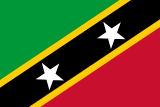 Saint Kitts & NevisMasquerade, Calypso & Culturama
From Christmas Sport to Carnival
String bands, masquerade and Christmas street folklore formed part of the islands’ festive life before the modern St. Kitts National Carnival. Calypso and steelband were already present when organizers proposed a formal Carnival in 1957.
Nevisian celebration
Nevis has celebrated Culturama since 1974, bringing local music, dance, heritage and parade traditions together. Today soca and calypso share the stage with the older performance traditions that shaped the federation’s sound.
Explore Carnival history ↗ Explore Culturama ↗ Saint LuciaKwéyòl, Soca & Dennery Segment
Creole heritage
Saint Lucia’s Kwéyòl language and cultural traditions reflect African, French and British histories. Song and dance remain central to community celebrations, including Jounen Kwéyòl and the island’s flower festivals.
Modern rhythms
Calypso, soca and steelpan fill Saint Lucia Carnival. Dennery Segment, a fast, dance-driven local sound associated with the east-coast community of Dennery, has carried Saint Lucian energy to listeners across the Caribbean and beyond.
Explore Saint Lucian culture ↗ Explore Dennery ↗ Saint Vincent & the GrenadinesBig Drum, Vincy Mas & Steelpan
Grenadines heritage
On Union Island, Big Drum and Nation Dance bring drumming, song and movement into gatherings that celebrate community history. Folk traditions across the Grenadines sit beside the music of today’s stages and streets.
Festival rhythms
Vincy Mas gives calypso, soca and steelpan a public stage through competitions and parades. The Nine Mornings Christmas tradition also brings early-morning music and, in some communities, a steelband jump-up.
Explore Big Drum ↗ Explore Vincy Mas ↗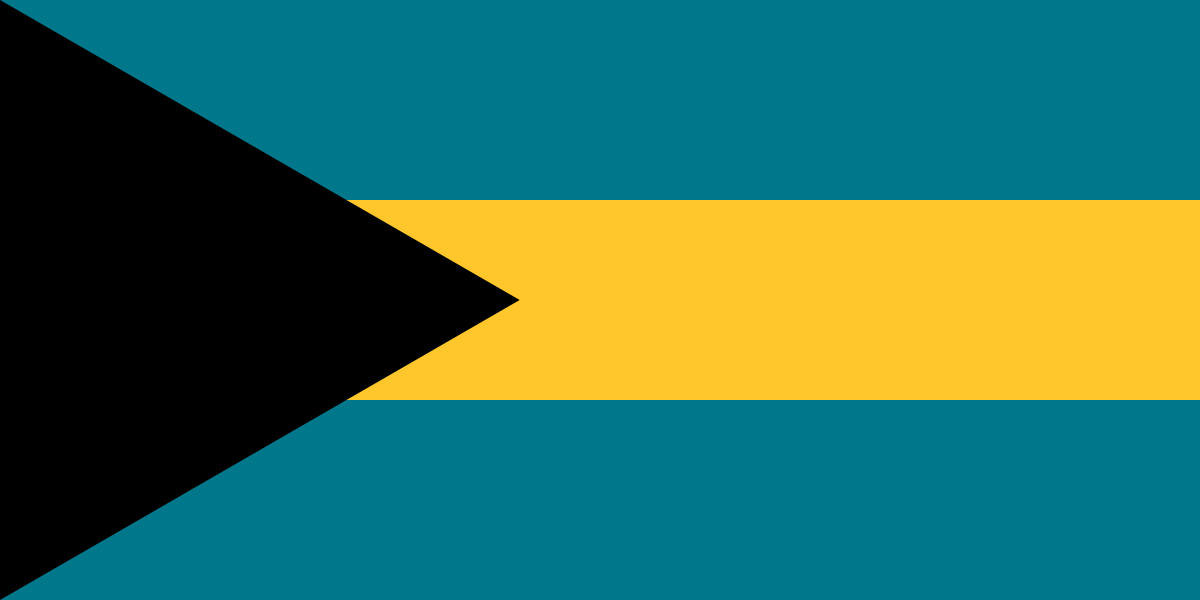 The BahamasRake ’n’ Scrape & Junkanoo
Rake ’n’ scrape
Rooted especially in Cat Island, rake ’n’ scrape makes lively dance music with a hand saw, goatskin drum and other everyday instruments. Its sound carries local stories and island gatherings across generations.
Junkanoo
Junkanoo’s street parade brings costumes and dance together with the driving pulse of goatskin drums, cowbells, whistles and horns. It remains a defining Bahamian celebration and a stage for community creativity.
Explore Cat Island music ↗ Explore Junkanoo ↗ Trinidad & TobagoCalypso, Soca, Chutney, Chutney Soca & Steel Pan
Calypso
Calypso is an Afro-Caribbean musical tradition closely tied to Trinidad and Tobago. Its roots reach into African traditions carried through enslavement, while its songs became a powerful way to tell stories, share news, and comment on everyday life and society.
Soca
Soca grew out of calypso in Trinidad and Tobago during the 1970s. Calypsonian Lord Shorty helped shape its lively, dance-driven sound by bringing East Indian rhythms and instruments into the calypso beat.
Despite a common story, “soca” does not mean a simple fusion of American soul and calypso. Lord Shorty described the name as the soul of calypso.
Chutney
Chutney developed among Indo-Caribbean communities, especially in Trinidad and Tobago, drawing on musical traditions carried by indentured migrants from India. Voices, dholak, harmonium and dhantal bring lively rhythms to songs sung in local languages and Caribbean Hindustani.
Chutney soca
Chutney soca brings chutney melodies and instruments together with soca’s Carnival drive. Drupatee Ramgoonai’s 1987 album Chatnee Soca helped give the style its name and a wider audience, reflecting the meeting of Caribbean musical traditions.
Steel Pan / Pan
Steelpan is the national musical instrument of Trinidad and Tobago. Its history grows from African drumming traditions and Carnival percussion. Restrictions on unlicensed instruments in the late nineteenth century helped spur tamboo-bamboo bands and experiments with metal containers.
By the late 1930s, players in Trinidad had shaped discarded metal drums into tuned instruments. Early pan makers and performers faced social prejudice, yet their creativity built the steelband tradition now celebrated worldwide.
Explore the music’s history ↗ Explore the cultural blend ↗ Explore steelband history ↗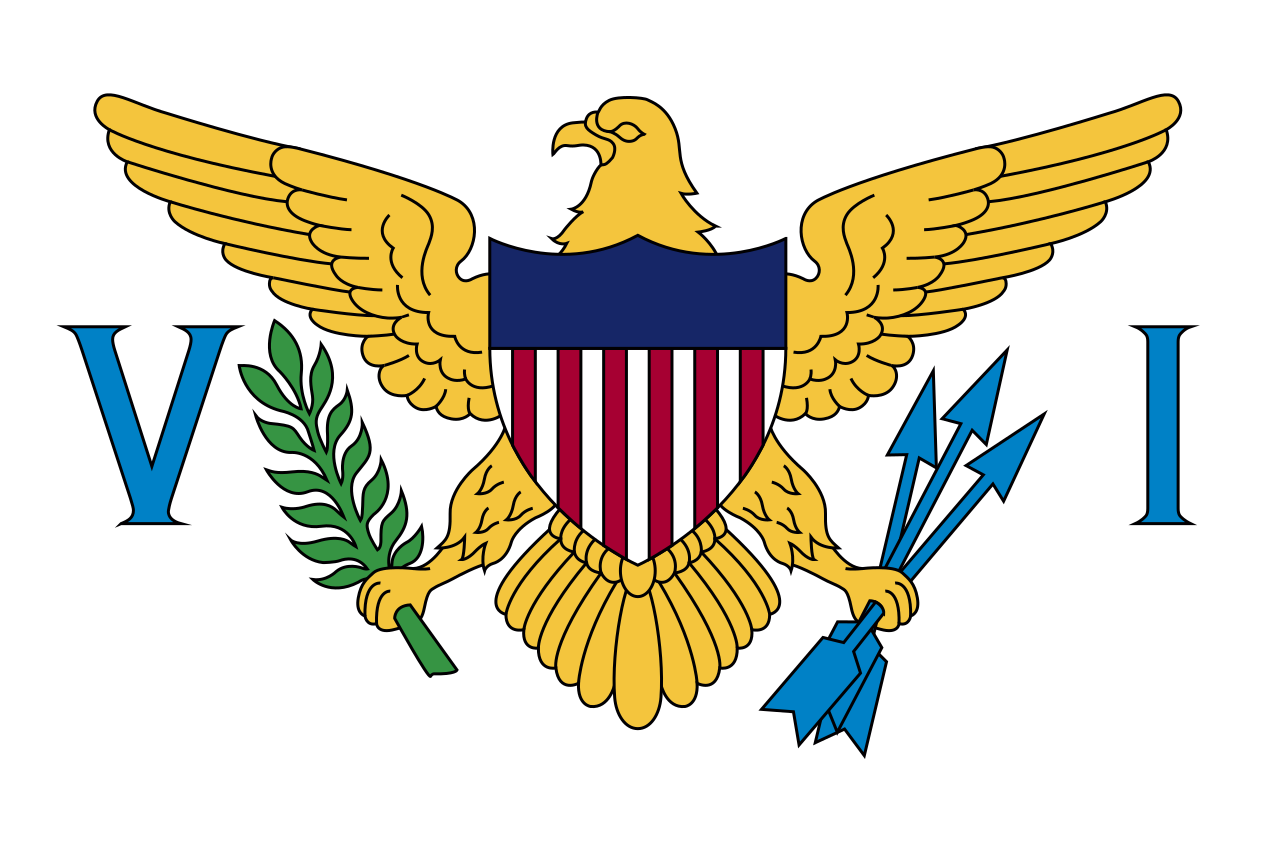 U.S. Virgin IslandsQuelbe, Scratch Bands & Carnival
Quelbe / scratch band
Quelbe is a Virgin Islands folk sound carried by scratch bands. Its songs share local stories, humour and everyday life, with St. Croix an important home for the tradition.
Carnival sound
Calypso, soca, steelpan and quelbe meet on Virgin Islands stages and streets. Carnival celebrations on St. Thomas, St. Croix and St. John bring older and newer sounds together.
Explore Virgin Islands folklife ↗ Explore Carnival ↗